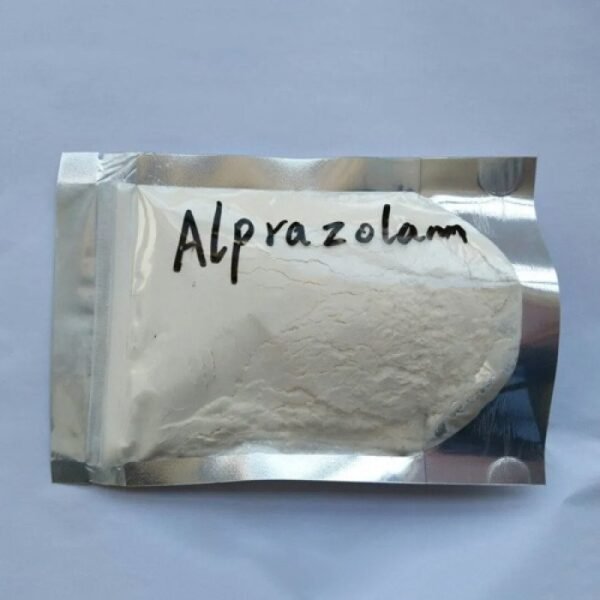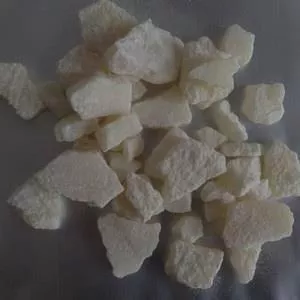
$232.00 – $900.00Price range: $232.00 through $900.00
Product Name: 4-Cl-PVP Crystal
Synonyms: 4CL-PVP
IUPAC: 1-(4-chlorophenyl)-2-(pyrrolidin-1-yl)pentan-1-one
CAS Nr.: 902324-25-5
MF: C15H20ClNO
Purity: >99.5%
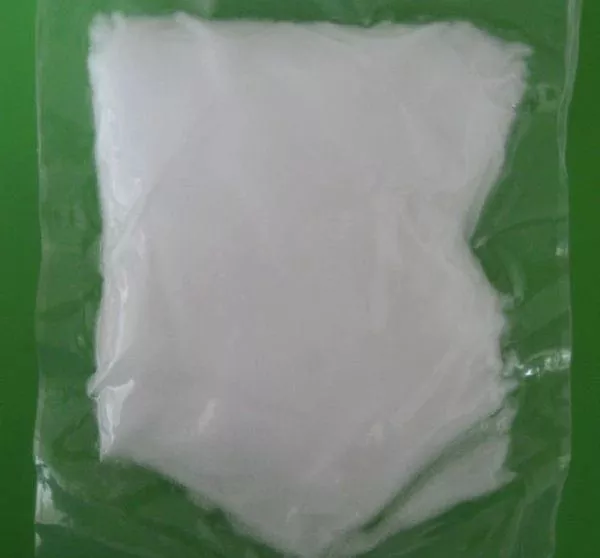
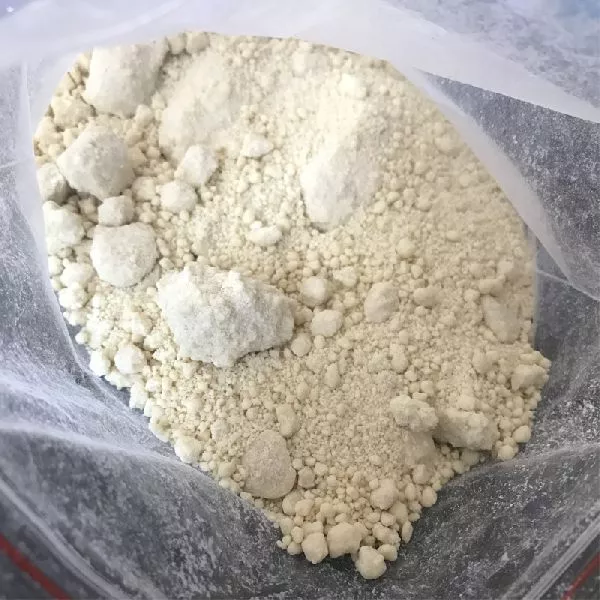
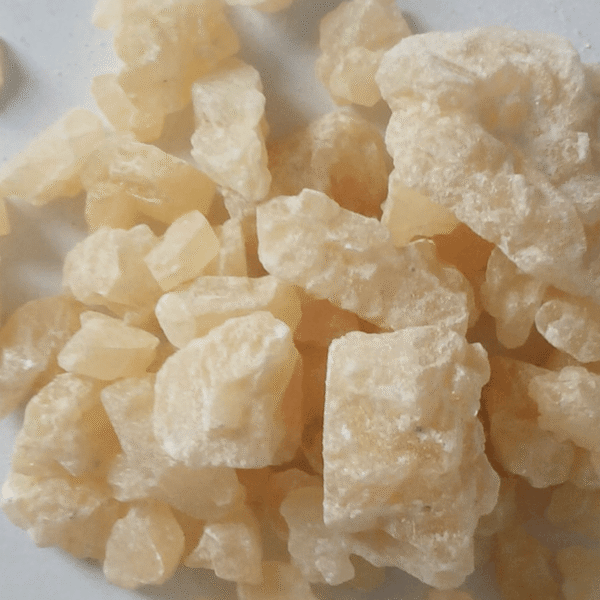
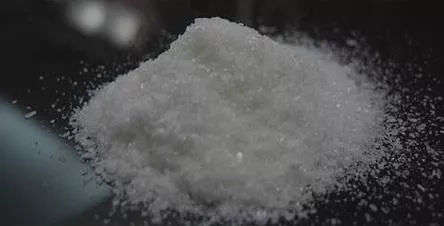
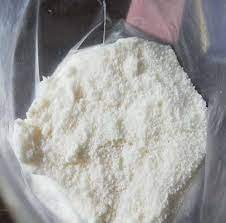
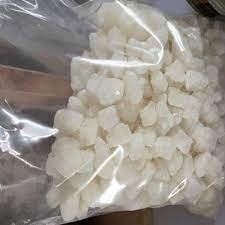
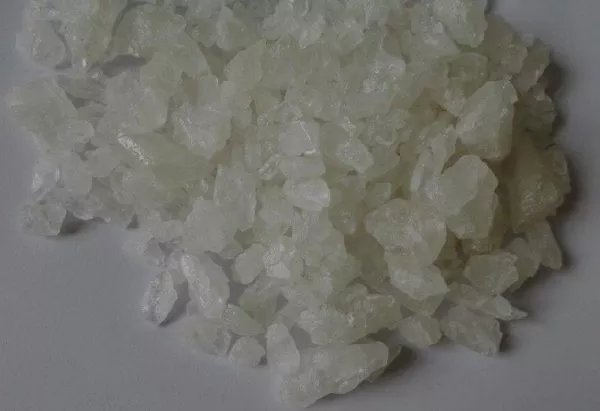
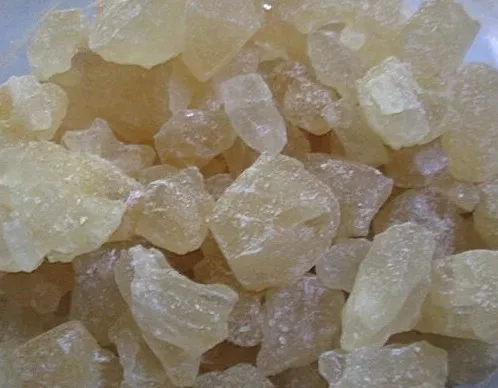
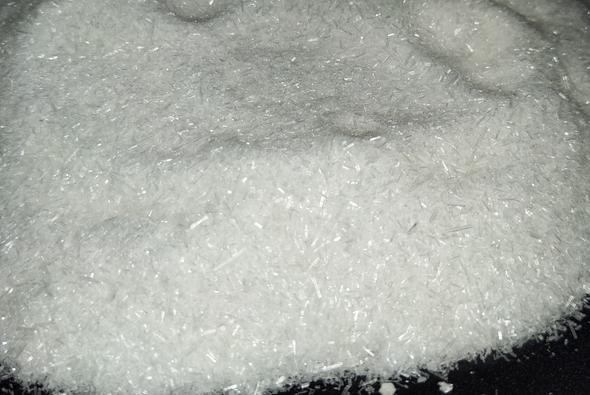
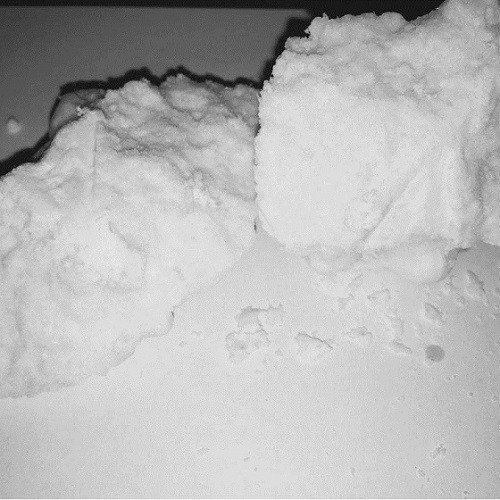
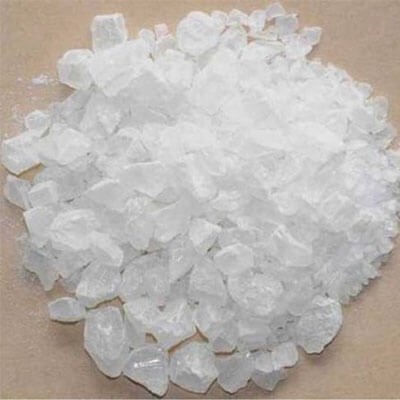
Appearance: Crystal
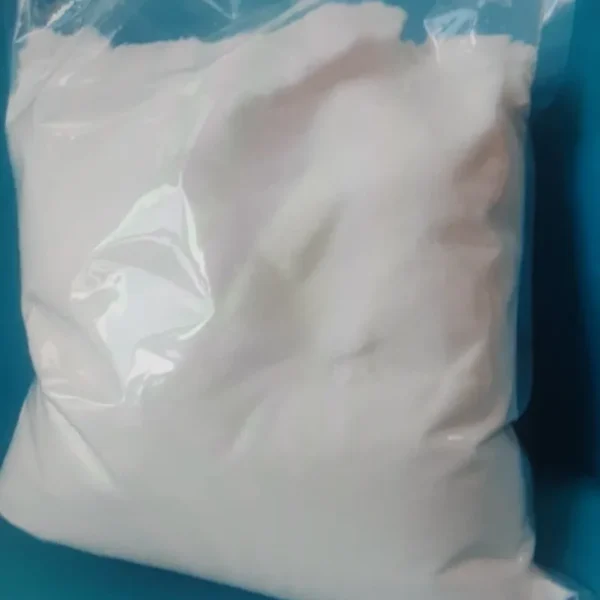
Packing: Aluminum Foil Bag or Plastic Bag
CAS number of substance: 902324-25-5
Physical properties: Crystal & Powder
Formula: C15H20ClNO
The molar mass: 265,12 g/mol
The Purity: 99,7% and above
Compounds like 4-Chloro-α-pyrrolidinovalerophenone HCl crystals are often referenced in scientific and online discussions related to synthetic substances. While there may be curiosity about such compounds, it’s important to understand their chemical background, potential effects, and safety concerns.
This article provides a clear, factual overview to help readers stay informed and make responsible decisions.
4-Chloro-α-pyrrolidinovalerophenone (commonly abbreviated as 4-Cl-PVP) is a synthetic compound belonging to the cathinone-related class of substances, often associated with stimulant-like properties in research discussions.
Key points:
The term “HCl crystals” refers to the hydrochloride salt form and physical appearance.
From a chemistry perspective, 4-Cl-PVP includes:
Compounds in this category are often studied for their interaction with neurotransmitters such as:
Mentions of 4-Chloro-α-pyrrolidinovalerophenone HCl crystals are typically found in:
These references are scientific or experimental and do not indicate approved consumer use.