$148.00 – $632.00Price range: $148.00 through $632.00
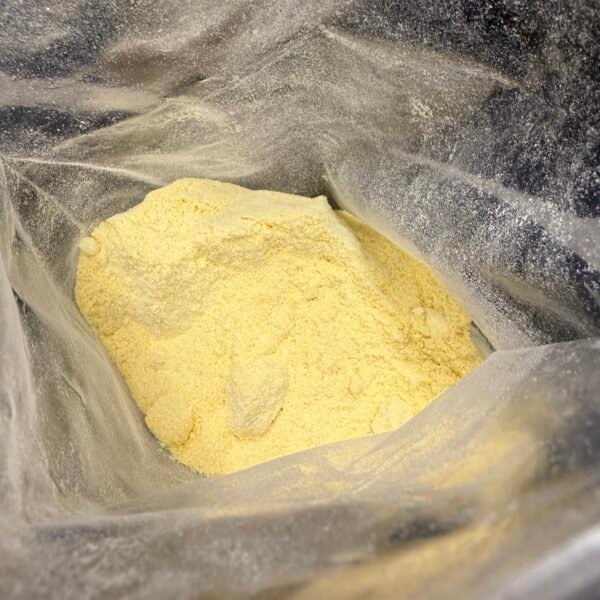
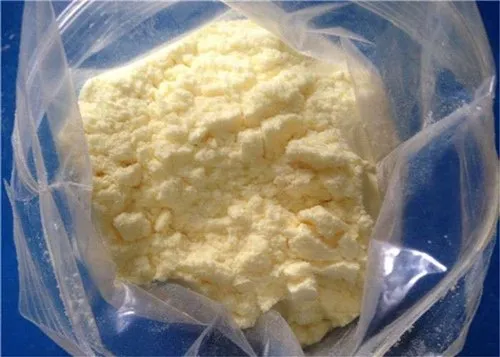
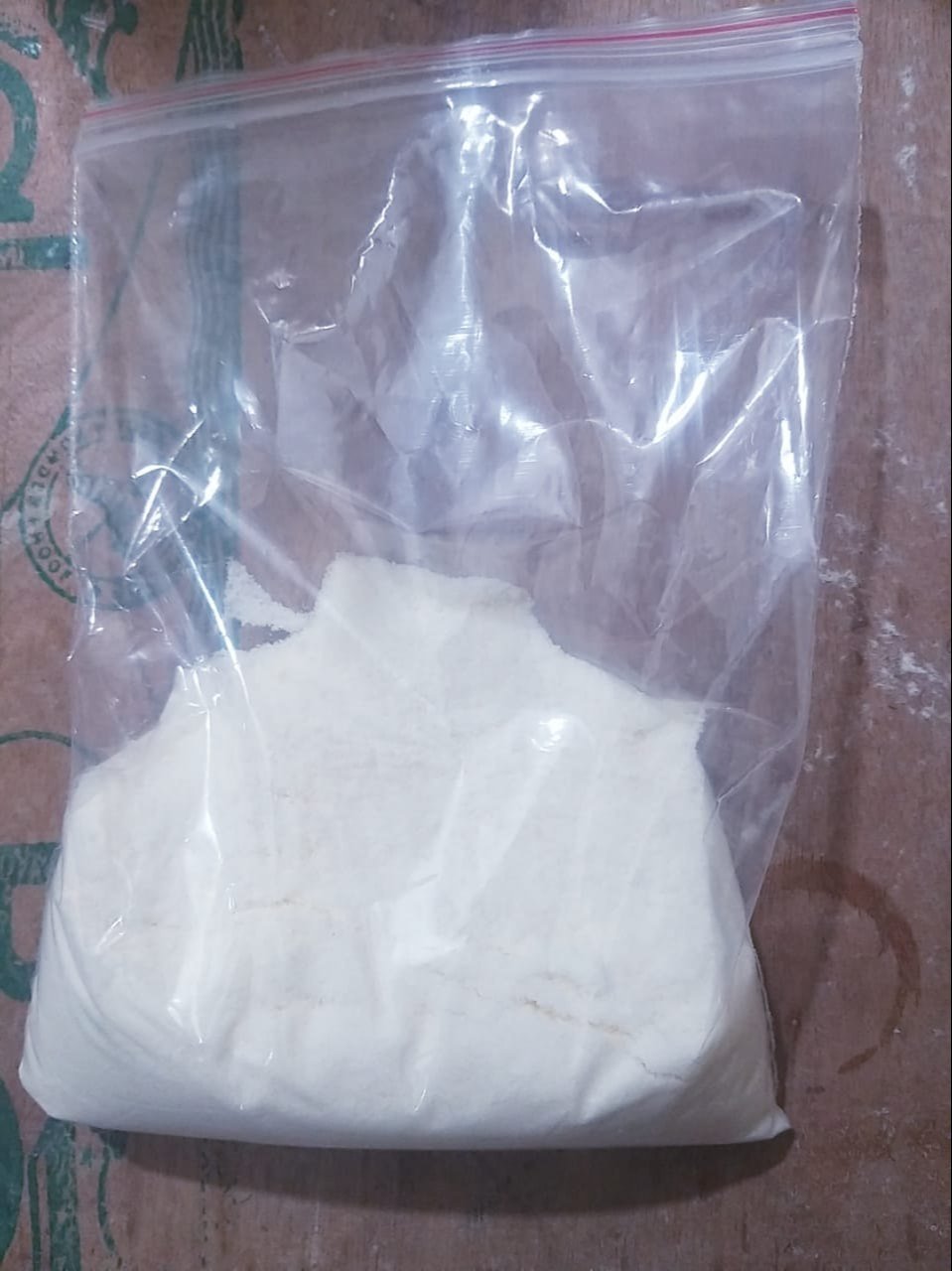
Testosterone Acetate Powder is a synthetic derivative of testosterone belonging to the class of androgen and anabolic steroid esters. It is formed by attaching an acetate (ethanoate) group to the testosterone molecule, resulting in a modified compound with distinct physicochemical and metabolic characteristics.
As one of the earliest testosterone esters developed, testosterone acetate has played an important role in the historical study of hormone esterification and steroid chemistry since its first synthesis in the 1930s.
Testosterone acetate is structurally derived from the base testosterone hormone and retains the classical steroid backbone common to androgenic compounds.
The addition of the acetate group modifies solubility and influences how the compound behaves in chemical and biological systems.
Testosterone acetate is classified as an androstanoid steroid, meaning it shares the four-ring core structure typical of steroid hormones.
The esterification process (attachment of an acetate group) affects:
Compared to longer-chain testosterone esters, acetate is considered a short-chain ester, which is often discussed in research contexts for its relatively rapid breakdown characteristics.
Testosterone acetate is widely referenced in scientific literature and laboratory discussions, particularly in areas involving:
Researchers use testosterone acetate as a model compound to understand:
Due to its short ester chain, testosterone acetate is examined in:
In laboratory environments, the compound may serve as:
In biochemical models, esterified testosterone compounds are typically hydrolyzed into free testosterone and the corresponding acid (in this case, acetic acid).
The shorter acetate ester chain is often associated with:
These characteristics are frequently compared with longer esters to understand differences in compound behavior.
In laboratory and industrial contexts, evaluation of testosterone acetate powder is typically based on:
Consistency between batches is critical for reliable research outcomes.
Due to its classification as a biologically active compound, testosterone acetate should be handled with appropriate laboratory precautions.
According to chemical safety data, the compound may pose health risks if mishandled, including toxicity and reproductive hazards.
Testosterone acetate is subject to strict regulation in many regions due to its classification as a hormone-related compound.
Laboratories and institutions must ensure full compliance with all applicable regulations.
While testosterone acetate has historical and scientific significance, its primary relevance today lies in:
It is less commonly referenced in modern therapeutic contexts compared to longer-acting esters.
Testosterone Acetate Powder remains an important compound in the study of steroid chemistry and hormone esterification. Its short-chain ester structure provides valuable insight into how molecular modifications influence compound behavior, metabolism, and stability.
Although not widely used in contemporary medical practice, it continues to serve as a useful reference compound in scientific research and analytical applications, contributing to a deeper understanding of androgenic substances and their derivatives.