Price range: $95.00 through $528.00

  • Name: Testosterone (base, non-esterified)
  • Molecular formula: C₁₉H₂₈O₂
  • Molecular weight: 288.42 g/mol
  • Structure: Steroid nucleus consisting of four fused carbon rings with a hydroxyl group at C17 and a ketone at C3

Testosterone Base Powder – Technical Overview

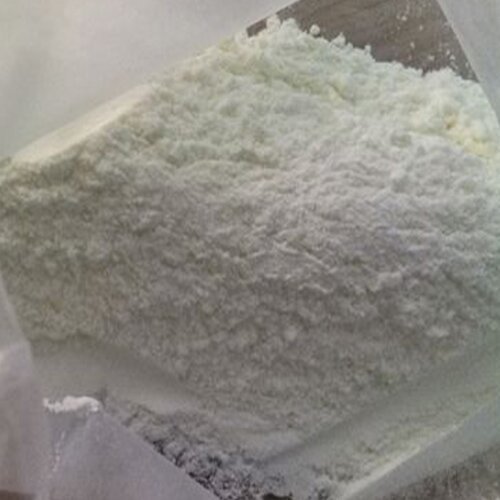
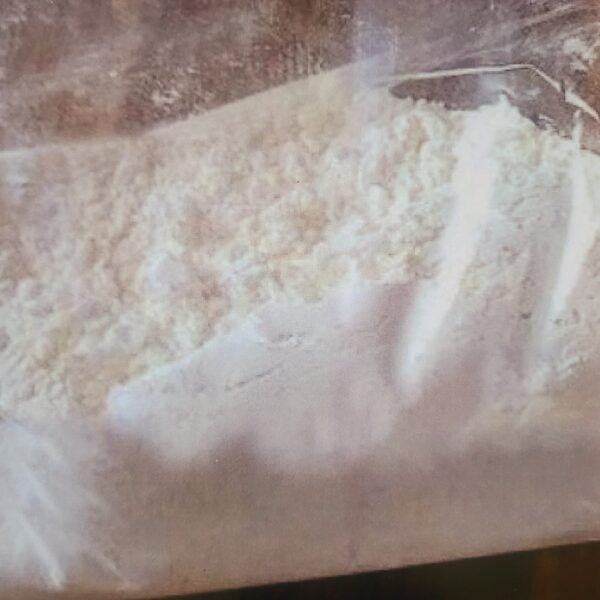
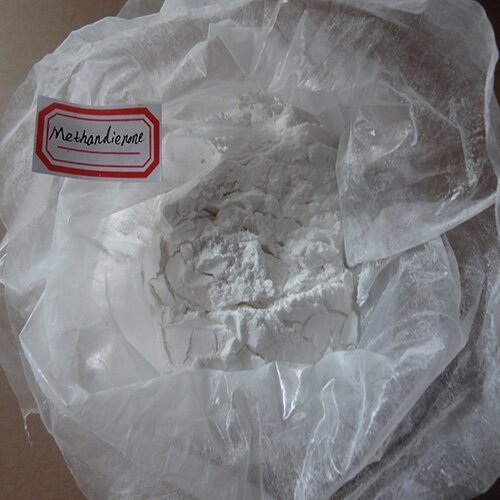
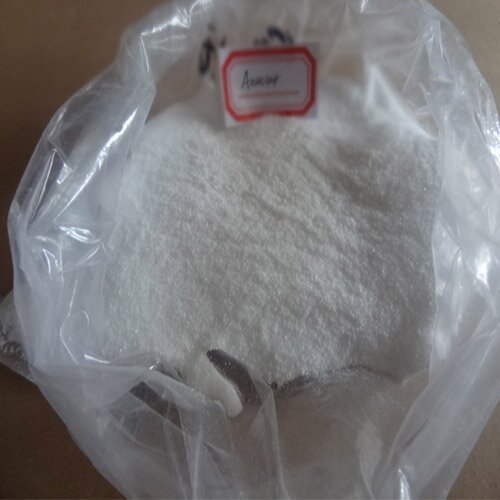
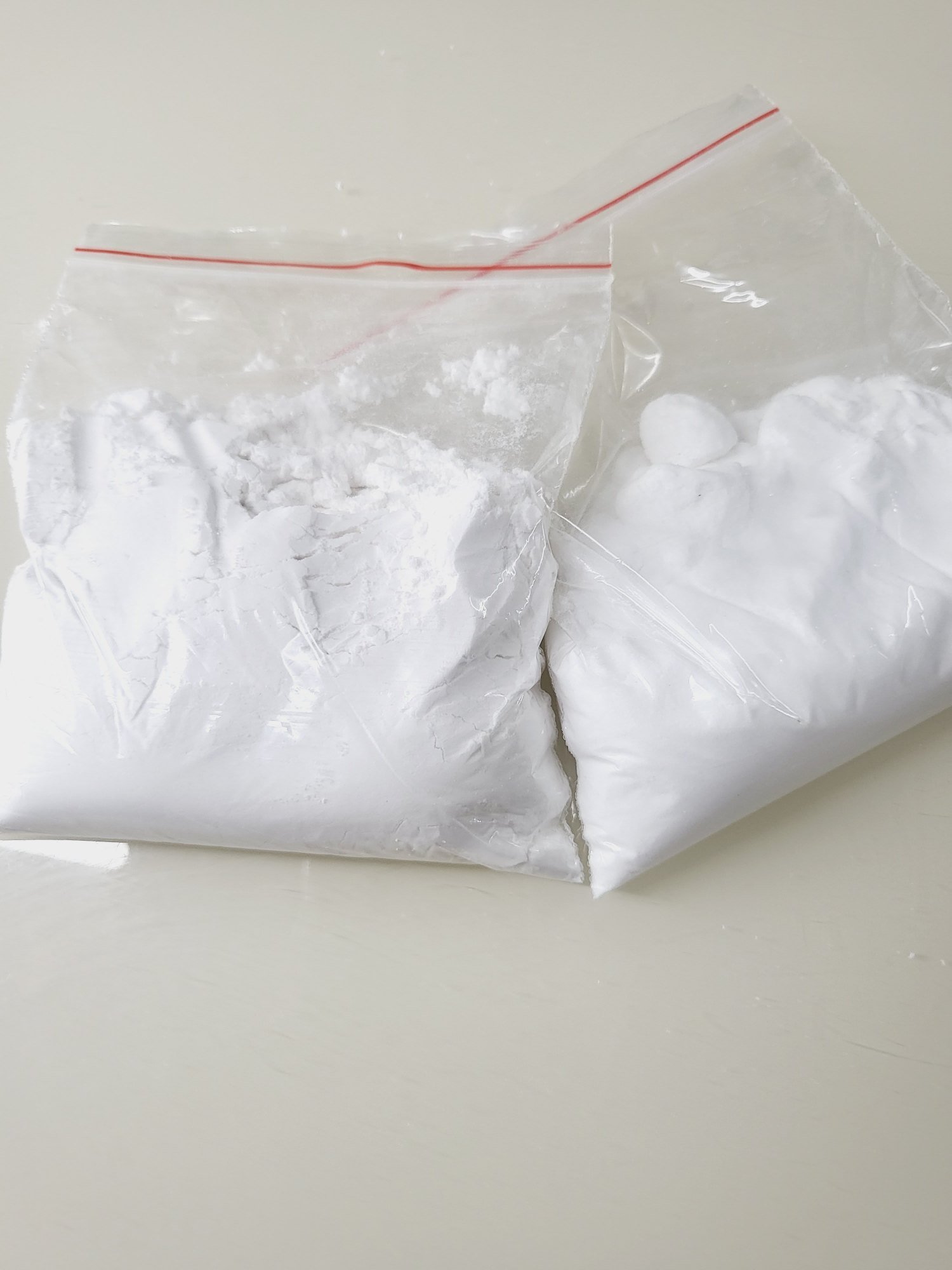
Testosterone base (free testosterone) is the unmodified form of the primary endogenous androgenic hormone responsible for the development and maintenance of male secondary sexual characteristics. In its raw state, it appears as a fine, white to off-white crystalline powder and serves primarily as an intermediate in pharmaceutical research and manufacturing.

Chemical Identity

  • Name: Testosterone (base, non-esterified)
  • Molecular formula: C₁₉H₂₈O₂
  • Molecular weight: 288.42 g/mol
  • Structure: Steroid nucleus consisting of four fused carbon rings with a hydroxyl group at C17 and a ketone at C3

Physical and Chemical Properties

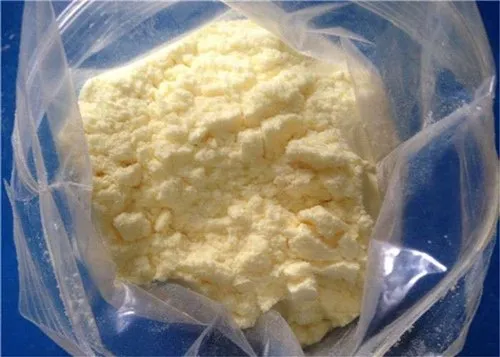
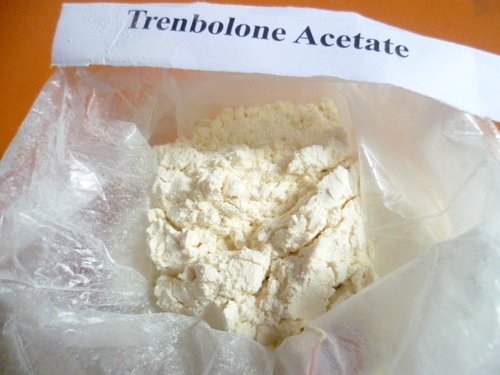
  • Appearance: White or slightly creamy crystalline powder
  • Solubility: Practically insoluble in water; soluble in organic solvents such as ethanol, acetone, and oils
  • Melting point: Typically around 155–157°C
  • Stability: Sensitive to light and oxidation; usually stored in tightly sealed, light-resistant containers

Pharmacological Context

Testosterone is the principal androgen hormone in humans. In clinical medicine, regulated testosterone formulations are prescribed for conditions such as male hypogonadism and certain hormone-related disorders. The base (non-esterified) form has:
  • Rapid onset of action due to lack of esterification
  • Short biological half-life, leading to quick metabolism and clearance
    Because of this, medical use typically relies on modified (esterified) forms that provide more stable blood levels.

Applications (Legitimate Contexts)

  • Pharmaceutical research and development
  • Analytical reference standard in laboratory settings
  • Intermediate in the synthesis of testosterone-based medications

Handling and Safety Considerations

  • Intended strictly for controlled laboratory or licensed pharmaceutical use
  • Direct handling requires appropriate personal protective equipment (PPE)
  • Exposure may disrupt endocrine function and lead to systemic effects
  • Use outside regulated medical frameworks carries significant health and legal risks